ASME VIII - Rules for construction pressure vessel
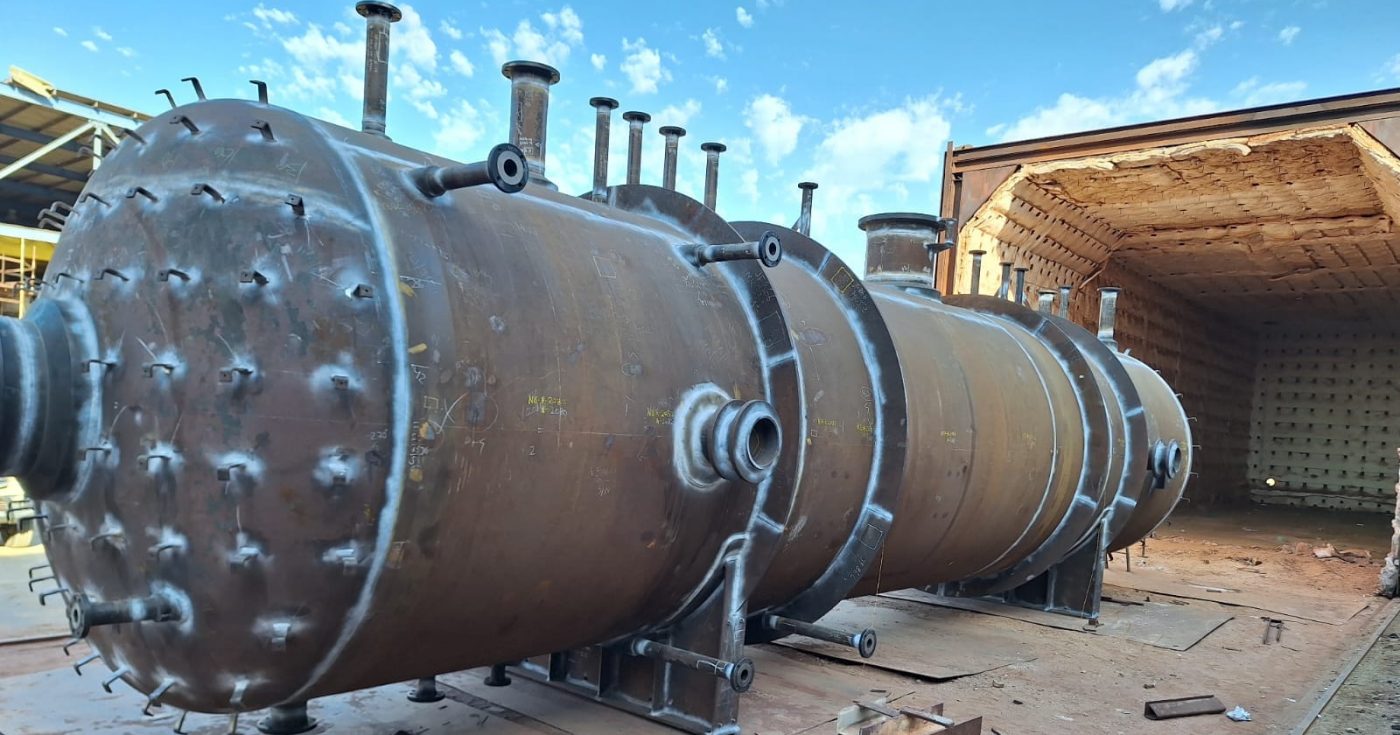
Inspection Academy’s ASME Section VIII course delivers practical, code-driven training focused on the design, fabrication, inspection, and certification of pressure vessels. The program provides a comprehensive understanding of ASME Boiler and Pressure Vessel Code requirements, equipping professionals with the skills needed to ensure compliance, safety, and reliability in the hydrocarbon and process industries.
| Level | Type |
| Intermediate | Advanced | Online | In-House: Private | Class Room |
Success Stories







Training Overview
ASME VIII course provides a comprehensive and practical understanding of ASME Section VIII, focusing on the design, fabrication, inspection, and certification of pressure vessels in accordance with the ASME Boiler and Pressure Vessel Code (BPVC). It is designed to equip engineers and technical professionals with the knowledge required to interpret and apply code requirements in real-world industrial environments.
Objectives
By the end of this course, you’ll be able to:
1. Understand the structure and requirements of ASME Section VIII and its role within the ASME Boiler and Pressure Vessel Code (BPVC)
2. Interpret code rules related to the design, fabrication, inspection, and certification of pressure vessels
3. Apply design principles including allowable stress, internal/external pressure calculations, and thickness determination
4. Select appropriate materials in accordance with ASME code requirements and understand material properties and limitations
5. Evaluate pressure vessel components such as shells, heads, nozzles, and supports based on code criteria
6. Understand welding requirements, heat treatment, and fabrication practices in compliance with ASME standards
7. Identify and apply nondestructive examination (NDE) methods and pressure testing requirements
8. Review and verify design calculations and manufacturer documentation for code compliance
9. Recognize the roles and responsibilities of manufacturers, inspectors, and authorized inspection agencies
10. Ensure safety, reliability, and regulatory compliance in pressure vessel design and operation
Materials Included
1. Detailed lecture notes covering ASME Section VIII (Div. 1 & Div. 2) requirements, along with relevant sections of the ASME Boiler and Pressure Vessel Code (BPVC)
2. Worked examples and case studies on pressure vessel design calculations, including thickness design, stress analysis, and code compliance checks
3. Case-based discussions on fabrication practices, pressure testing requirements, and inspection scenarios in line with ASME standards
4. Practice quizzes and mock exams (open-book and closed-book) with fully explained model answers to reinforce code understanding
5. Sample design calculation sheets and manufacturer documentation for review and verification exercises
6. Sample Welding Procedure Specifications (WPS) and Procedure Qualification Records (PQR) in accordance with ASME Section IX
7. Guidelines for nondestructive examination (NDE) methods such as RT, UT, MT, and PT, including acceptance criteria per ASME code
8. Inspection checklists and reporting templates aligned with ASME compliance and industry best practices
Target Audience
- This course is designed for professionals involved in the design, fabrication, inspection, and maintenance of pressure vessels, including:
1. Mechanical and design engineers working with pressure vessel systems
2. Inspection engineers and quality control/quality assurance (QA/QC) personnel
3. Pressure vessel inspectors and third-party inspection professionals
4. Welding engineers and fabrication specialists
5. Maintenance and reliability engineers in process industries
6. Project engineers and technical professionals involved in EPC projects
7. Professionals working in the oil & gas, petrochemical, chemical, and power generation industries
8. Individuals preparing to enhance their knowledge of ASME codes and advance their technical competency
- This course is designed for professionals involved in the design, fabrication, inspection, and maintenance of pressure vessels, including:
Requirements / Instructions
To get the most benefit from this course, participants are recommended to have:
- A basic understanding of mechanical engineering principles or pressure equipment fundamentals.
- Familiarity with pressure vessels, piping systems, or related industrial equipment.
- Prior exposure to engineering drawings and technical documentation.
- Basic knowledge of materials, welding, or fabrication processes (preferred but not mandatory).
- Some awareness of industry codes and standards (an advantage, but not required).
Who can still join without experience?
- Motivated beginners or fresh graduates can attend; however, they may need additional effort to fully grasp advanced code calculations and technical concepts.
Instructions to Attend – ASME Section VIII.
- Bring a scientific calculator for design calculations and problem-solving sessions.
- Have a notebook or digital device ready for taking notes and participating in exercises.
- Attend all sessions and actively participate in discussions, case studies, and practical examples.
- Complete assigned exercises, quizzes, and mock exams to reinforce learning outcomes.
For online participants: ensure a stable internet connection, a quiet environment, and access to the virtual training platform
Instructors
Eng. Mahmoud Shokr
Senior Inspection Engineer
Eng. Ahmed Sobhy Moharram
Senior Inspection and RBI Engineer
Eng. Amr Soliman
Senior Material Engineer.
Eng. Ramy Mohamed
Head of Inspection Dep. In Refinery plant in Egypt.
Training Agenda
Day 01
- Soon